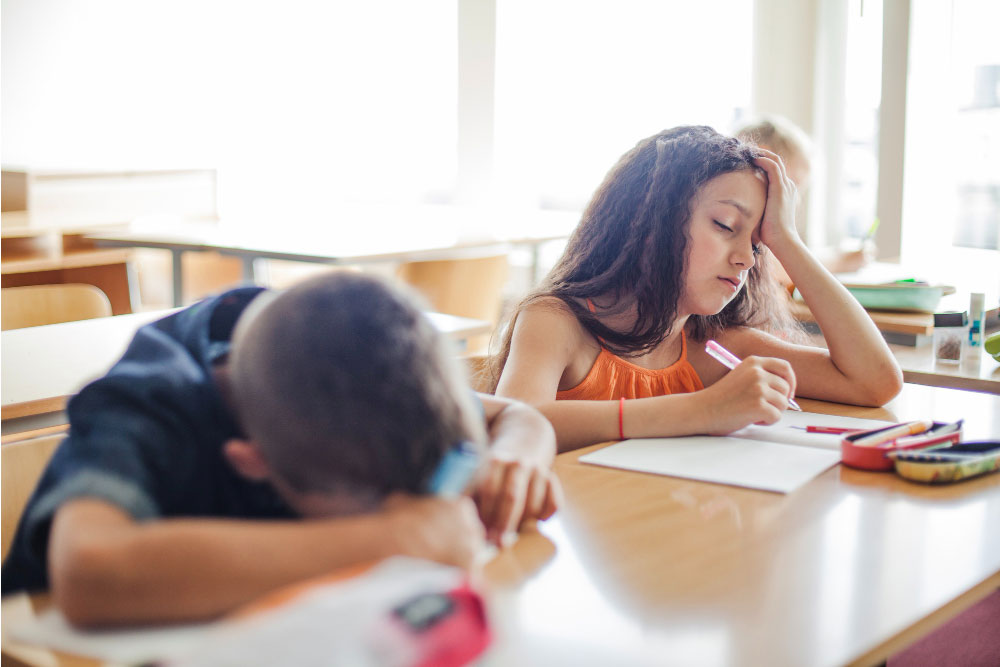
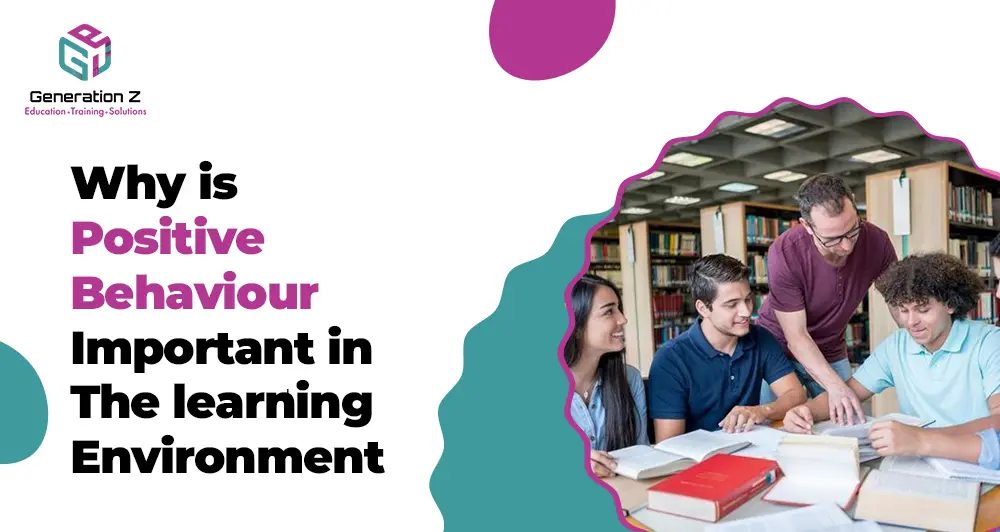
Some days, you walk into a classroom and you can feel it before anyone says a word. The air is tight. Chairs scrape louder than usual. One small comment turns into a side conversation, then another. It is not chaos exactly. But it is not calm either. The thin line between the two. That is where everything about the learning environment starts to show.
The truth is people talk about behaviour like it is a checklist such as the rules on the wall, a chart with names or consequences written neatly in bold. But what most people miss is how quickly the mood of a room can shift when students feel watched instead of understood. That shift is quiet and subtle. It changes everything.
Learning Behaviour is about safety.
When behaviour feels positive, the room feels safe but not silent or stiff. Students talk without fear of being laughed at. They make mistakes without shrinking into themselves. They try again. That is the part that matters. Because learning is messy. It involves wrong answers, half-formed thoughts, awkward pauses. If the room does not feel safe, those moments disappear and with them, real learning.
This is where people get it wrong. They think behaviour is about stopping disruption. It is not. It is about building a space where disruption does not need to happen in the first place. I have seen classrooms where the teacher rarely raises their voice. Not because the students are perfect. They are not. But because expectations are clear, and respect goes both ways. You can sense it. Students look up when the teacher speaks. Not out of fear. Out of habit. Out of trust.
And trust is fragile. Once it cracks, it takes time to rebuild.
The small things that shape the day
Positive behaviour is rarely about big gestures. It is in the small habits. Greeting students at the door. Saying a name correctly. Pausing instead of snapping. Sometimes it is just noticing who is unusually quiet.
People underestimate how much these tiny actions shape the mood of the room. They set the tone before the lesson even begins and when the tone is right, teaching feels lighter. Learning feels possible. I remember watching a colleague once. A student interrupted her three times in ten minutes. She did not react the first time. The second time, she walked closer and placed a hand on the desk. The third time, she asked a question directly to that student and waited. Calmly. No drama. The rest of the class stayed with her. That was behaviour control in action, not loud and complicated but steady.
When behaviour goes unchecked
We all know what happens when small issues are ignored for too long. Side comments become running jokes. Running jokes become disrespectful. And that is usually where problems start. The energy shifts. Students test limits. Teachers get tired. Lessons feel longer than they should.
What most people miss is how exhausting that becomes for everyone in the room. Not just the teacher but also students feel it too. They may not say it but they feel the tension. They feel the unpredictability and when that happens, focus disappears. A positive learning environment does not mean there are no problems. It means problems are handled early, quietly and fairly before they grow teeth.
The Balance Nobody Talks About Behaviour Management
There is a strange pressure on teachers to be either strict or friendly. As if it has to be one or the other. It does not. The best classrooms I have seen hold both. Clear boundaries. Warm tone. Students know what is expected, and they also know they will be heard. That balance is hard. It takes practice. It takes reflection. It takes patience on days when patience feels thin.
This is why many educators look into a behaviour management course at some point in their careers. Not because they cannot handle a classroom, but because the work is human. And humans are unpredictable. Learning how to respond instead of react changes the whole dynamic.
Still, no course can replace experience. The real learning happens in those small, daily interactions. The quick decisions. The moments when you choose calm over control.
It shapes more than academics
Here is something we do not say enough. Behaviour in school follows students into adulthood. When students learn to listen, to wait their turn, to disagree respectfully, they carry that into workplaces and relationships. When they learn that their voice matters but so does someone else’s, that stays with them.
Positive behaviour teaches emotional regulation without using that phrase out loud. It shows students that frustration can be managed. That conflict can be resolved. That authority does not always mean oppression.
And yes, sometimes students push back. Sometimes they test every limit in the book. That is part of growing up. The key is how the adults respond. If the response is humiliation or anger, students learn fear. If the response is calm firmness, they learn boundaries. Big difference.
Teachers feel it too
We often focus on students, but teachers are deeply affected by classroom behaviour. A room that feels respectful gives energy back. A room that feels chaotic drains it fast. Burnout rarely starts with workload alone. It often starts with daily friction. Small battles. Repeated defiance. That steady drip of tension.
This is where behaviour management training can make a quiet difference. It gives teachers language. Strategies. Perspective. Not magic solutions. Just tools that make the day smoother. But tools only work when the mindset is right. If behaviour is seen as a fight to win, the room becomes a battlefield.
If it is seen as guidance, as shaping habits gently but firmly the tone shifts. The truth is, students notice when adults are reactive. They also notice when adults are consistent. Consistency builds calm.
What Most People Miss About Positive Behaviour?
People sometimes think positive behaviour is about rewards. Stickers. Points. Praise every five minutes. It is not that simple. Praise matters, yes. Recognition matters. But what matters more is fairness. Students can sense favoritism from a mile away. They know when rules change depending on who is involved. That is when respect fades.
Positive behaviour grows in rooms where expectations are clear and consequences are predictable. Not harsh. Predictable. And predictability creates safety.
I have seen classrooms where the teacher simply says, “You know better,” in a quiet voice and that is enough. Because the relationship is strong and the standard has been clear from day one. That does not happen by accident.
Bottom Line: It always comes back to the environment
In the end, everything circles back to the learning environment. The walls matter less than the tone. The resources matter less than the relationships. A calm room allows curiosity. A respectful room allows risk-taking. A steady room allows growth.
When behaviour feels positive, learning flows more naturally. Students ask more questions. They engage more deeply. They recover from mistakes faster. And that is really the point.
Why Generation Z education and training solutions Stands Out
At Generation Z education and training solutions, the conversation around behaviour management is not about control or punishment. It is about understanding students as individuals and shaping environments where they can thrive. The approach feels grounded in real classrooms, not just theory alone.
That difference shows. Because when positive behaviour becomes part of the culture not just from a policy, the whole learning environment changes quietly and steadily. In ways that last far beyond a single school year.