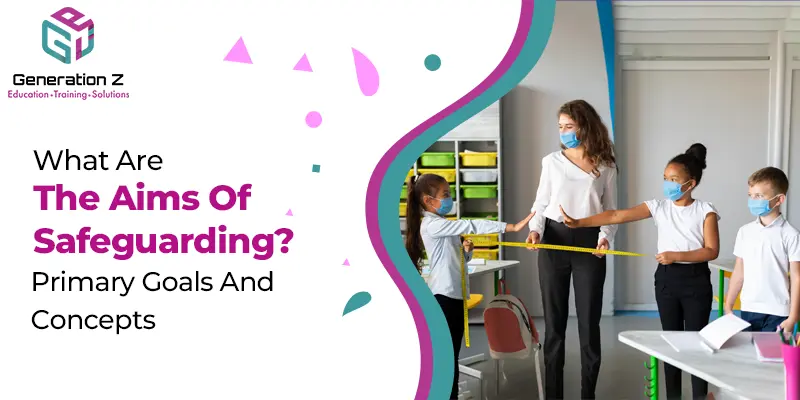
'Safeguarding' is one of those words that feels a bit formal at first. Hear it once. Yeah, feels heavy, right? Yet when you pause on it, things clear up quickly. It’s really just protection; nothing more. At its core, it means looking out for folks. No secret layers here. Just care, dressed in plain terms. For Gen Z, lots of us prefer ideas broken down plainly, direct intent, and no fluff. Let’s check out what protection actually tries to achieve.
Also, if you are thinking about taking safeguarding courses in Dubai, this is a good base before you walk into any training.
Why Safeguarding Exists in the First Place
Sometimes people think others will speak up when something feels wrong. But honestly, a lot of people do not. Kids stay quiet because they feel scared. Teens hold back because they worry they will be judged. Even adults avoid talking because they think nobody will take them seriously.
Safeguarding fills that gap. It creates a safety net. It gives people a voice when they do not feel brave enough. It also gives adults a responsibility to notice things instead of pretending nothing is happening. Harm is not always loud. Sometimes it is slow and silent. It could be emotional. It could be online. It could be hidden behind a smile. Safeguarding was created to catch these things early, before they grow into something painful. That is why it matters.
So, What Exactly are the Aims of Safeguarding
There are a few main aims, and they all connect in some way. Think of them like parts of one big idea, not separate boxes. Safeguarding is a mindset, not just a policy.
Let’s walk through these aims gently and slowly.
1. Protect People From Harm
This is the most obvious aim, and honestly, the most important one. Protect people from physical harm, emotional harm, or any type of mistreatment. But here is the thing. Harm is not always dramatic. It is not always visible. Sometimes harm looks like:
- A kid who suddenly becomes quiet
- A teen avoiding a certain person
- A student who stops participating
- Someone acting nervous for no clear reason
These things count. When you protect someone, grown-ups start seeing the signs sooner. Instead of ignoring them. A course about staying safe online shows people how to spot those tiny red flags.
2. Care for Your Feelings, While Also Looking After Your Mind
Safety isn't just dodging harm. It's building a place where folks stay relaxed, listened to, or valued instead. Gen Z really cares about mental health. In places where you’re treated right, it’s easier to relax. Protection isn’t only about staying safe. It helps you thrive. Being respectful matters just as much as rules do. Caring for others builds stronger spaces.
3. Make Reporting Easy, not Scary
Reporting is a huge part of safeguarding. People need to know who to talk to, how to reach them, and what happens after they speak up. If reporting is confusing or stressful, people stay silent. Safeguarding aims to make reporting simple. Clear steps, clear people and clear process. A good Safeguarding training course spends a lot of time teaching this, because reporting can save a life, even if it feels small.
4. Act Early, not Late
Safeguarding is built on early action. The goal is to step in before the situation gets serious. You do not wait for harm to happen. You prevent it. Sometimes one conversation can stop months of hidden stress. Early action builds trust. It shows people that someone is paying attention and cares enough to step in.
5. Create Safe, Fair, and Inclusive Environments
This matters a lot. Safeguarding protects people from discrimination, bullying, harassment, or any kind of unfair treatment. No one should feel unsafe because of their background, identity, language, or beliefs. Gen Z cares deeply about equality. So this aim fits naturally with how young people think today. Safe spaces are inclusive spaces.
6. Train Adults so They Do Not Guess
Adults working with children or vulnerable people cannot guess what to do. They need training. Proper training. Not half knowledge. Not “I think this is right.” They need clear skills.
That is why organisations invest in safeguarding educational institutions in Dubai and other places. Training teaches adults to respond calmly, support the person who needs help, and follow the right steps.
Training removes panic and brings clarity.
7. Keep All Policies Updated
Risks change constantly. New online threats. New behaviours. New challenges. Safeguarding aims to keep policies fresh and reviewed. Old rules cannot handle new problems.
This is why organisations revise their safeguarding policies every year or so. They adjust to what is happening now, not what happened years ago.
How Gen Z Sees Safeguarding Differently
Gen Z grew up online. You recognise red flags faster. You understand emotional pressure. You know how bullying, ghosting, or online threats can escalate. You have seen situations that older generations sometimes underestimate.
So when Gen Z learns about safeguarding, the concepts feel familiar. Not in a good way, but in a real way. You get it. You understand why early action is important. You know the impact of mental stress. You also value transparency. And safeguarding, at its best, is completely transparent. It tells you who is responsible, who to talk to, and what happens next. That is why you connect with it quickly.
Safeguarding in Schools and Youth Spaces
In schools or youth programmes, safeguarding becomes part of daily life. Teachers and staff notice things quietly. They watch behaviour. They listen to how students talk to each other. They observe how a child reacts in certain situations. Sometimes friends notice things before adults do. That is why some schools encourage peer reporting. It helps protect people faster.
If you ever plan to take a course on safeguarding, this early understanding will support you in future roles like teaching, coaching, or community work.
Why Online Safeguarding Courses are Helpful
Safeguarding courses online make the whole topic easier to understand. You can learn at your own pace. Sit with the examples. Think through the scenarios. Take breaks. Come back.
These courses usually include things like:
- The core aims of safeguarding
- Different types of abuse
- Early warning signs
- Online safety
- How to respond calmly
- How to report correctly
- Real case examples
Many people in Dubai or the wider UAE take these courses for work or personal growth.
Final thoughts
Safety isn't about fancy terms. It’s real care in action. Staying alert helps spot issues fast. When concerns pop up, speaking up should feel doable. Helping others starts with listening closely. Fairness grows when everyone knows the rules. Adults need clear guidance to act right. Rules must shift as situations change. Acting sooner beats waiting too long.
Once you get what these goals are, it hits you. protection matters a lot. It builds places where folks can relax, pick up new things, share thoughts, or reach out when they need support.
If you’re curious about diving deeper, trying an online safeguarding course makes sense. Since lots of people look into Dubai’s safety training when they need employer-approved options.
Safety keeps folks secure. Yet beyond this, it slowly shapes a gentler place bit by bit. And at Generation Z, we try to support that change by offering simple, practical safeguarding courses that help people learn how to protect others with confidence and care.
FAQs
1. What is the primary goal of safeguarding in education?
The main aim of keeping kids safe at school is stopping any kind of hurt, mistreatment, or being ignored. On top of that, it's about helping them thrive. So they sense security and know they matter while gaining courage to focus on learning.
2. What steps should be taken to achieve the aims of safeguarding?
To reach safety goals, there’s got to be solid rules, workers who know what they’re doing, and also red flags spotted and shared fast. Building a space where kids feel heard and calm and welcome is equally key. All these pieces fit side by side, keeping students secure while helping them grow in every way.