Lately changes have begun appearing across classrooms worldwide. At first barely noticeable, now harder to ignore. Educators increasingly turn their attention eastward specifically toward the Gulf region wondering if a shift might suit them well. Slowly, conversations spread among faculty rooms and online groups. The idea takes shape: teaching abroad could offer something different, even better.
What drives this shift isn’t higher wages or glittering skylines. Beneath the surface, forces are shifting. Learning systems adapt, expanding, evolving slowly. At every turning point stands the teacher, quietly shaping what comes next.
Teaching across the Middle East grows fast. What lies behind this trend? Pause a moment. Consider what actually driving it.
Education is Taken seriously in Middle East
In many Middle Eastern countries, education is not treated as an afterthought. It is a priority. Governments invest in schools, training centers, and long-term learning plans. They see education as the backbone of future progress.
Take the UAE as an example. There is a clear vision to build a knowledge-driven society. Schools are expected to prepare students for a global future, not just exams. That changes everything.
Because of this, schools are not only hiring teachers. They are searching for educators who understand modern learning, critical thinking, and emotional development too. This is where customized education solutions UAE schools are focusing their attention. They want teaching that fits their students, not borrowed methods that feel forced.
Classrooms are full of cultures and stories
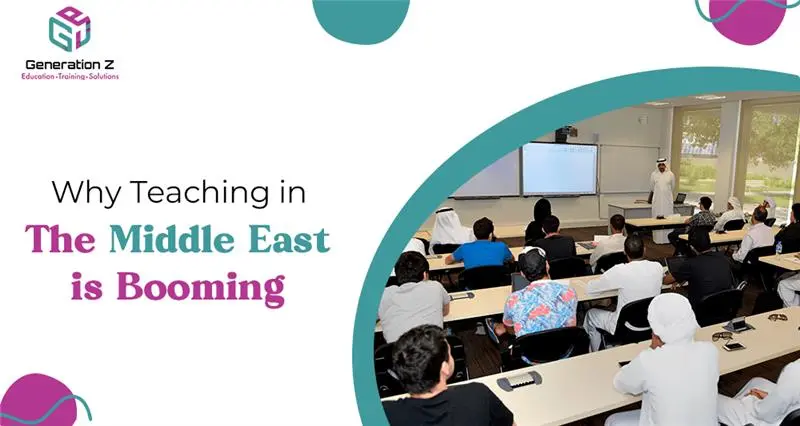
One thing teachers notice quickly in the Middle East is how diverse classrooms are. Students come from many countries, speak different languages and bring different ways of thinking. At first, it can feel overwhelming. Then, slowly, it becomes one of the most rewarding parts of the job.
Teaching here pushes you to listen more, adapt more and grow faster. You cannot teach on autopilot. You have to stay present. Schools value teachers who can handle this diversity with confidence and care. That is why professional training matters so much. A strong training program for teachers helps educators learn how to manage mixed classrooms, respect cultural differences and still keep learning fun and structured.
The demand for skilled teachers keeps rising
Here is the honest truth. The region needs teachers, but it needs trained teachers even more. New schools open every year. International curricula are expanding. Training institutes are growing and with all this growth comes a demand for educators who are ready from day one.
In dubai, this is why teaching courses has become so popular. Teachers know that proper training gives them an edge. It helps them understand expectations, classroom practices and local education standards. Many schools prefer educators who show commitment to learning. A completed Teachers Training Program often speaks louder than a long list of degrees with no practical experience.
Teaching is no longer just about textbooks
Education in the Middle East is moving away from rigid teaching styles. There is more focus on skills, creativity and student engagement. Teachers are expected to guide discussions, encourage curiosity and support different learning speeds. This shift has made traditional teaching methods feel outdated in some classrooms.
Customised education solutions in the UAE schools now look for teaching approaches that match student needs. This opens doors for teachers who are flexible and trained in modern techniques and honestly it makes teaching more enjoyable too. Lessons feel alive. Classrooms feel connected.
Better pay matters, but so does quality of life
Yes, the financial benefits matter. Teaching roles in the Middle East often come with competitive salaries and added benefits like housing support or health coverage but many teachers talk about something else. The quality of life.
Cities are well planned. Campuses are modern. Safety is high. Commutes are manageable. This allows teachers to focus on their work without constant stress. It feels balanced. Work has structure. Personal time has value.
Learning never really stops here
What keeps teaching growing? A big part of it is how much learning happens after you start. Staff often dive into training sessions and sharpen their methods, while new ideas flow in regularly. Teaching courses often includes practical sessions, real classroom exposure and mentoring. They are not just about certificates. They are about confidence.
A good training programme for teachers prepares educators for real situations. The awkward moments. The tough classrooms. The unexpected questions. That preparation makes a big difference.
Career growth goes beyond the classroom
Teaching in the Middle East does not lock you into one role forever. Many educators move into leadership, academic coordination, or training roles. Some work on curriculum design. Others mentor new teachers. A few even start their own education initiatives. The region supports growth if you bring skill and commitment.
Education in the Middle East is not static. It keeps evolving and lets teachers grow with it.
Training is what turns opportunity into success
Wherever you look, chances pop up. Still, it's readiness that shapes how much ground you cover. When educators put time into learning new skills, they usually adjust quicker and confidence tends to follow. A structured training programme for educators helps you understand classroom expectations, student behaviour and lesson planning in real terms.
However, it also helps you avoid common mistakes. So that you walk in prepared not guessing.
Conclusion
Teaching in the Middle East is booming because education here matters. Because teachers are respected. Because growth is encouraged. If you care about teaching, about learning, and about making a difference, this region offers real space to grow. With the right training and guidance that journey becomes clearer, steadier and far more rewarding.
With Generation Z Education and Training by your side, you are not just preparing for a role. You are preparing for a meaningful future.
Why Generation Z Education and Training Feels Different
At Generation Z Education and Training, we work closely with educators who want more than just a job. They want purpose, growth, and confidence. Our programmes are designed around real classroom needs. We focus on practical learning, modern methods and emotional understanding. This supports customised education solutions UAE schools actively look for.
We also offer teaching courses in Dubai that align with what schools actually expect today. Our training curriculum for teachers is built to feel natural, supportive, and realistic. We believe good teaching starts with understanding people, not just lesson plans.