Develop confidence in supporting autistic children through inclusive and responsive Early Years practice.
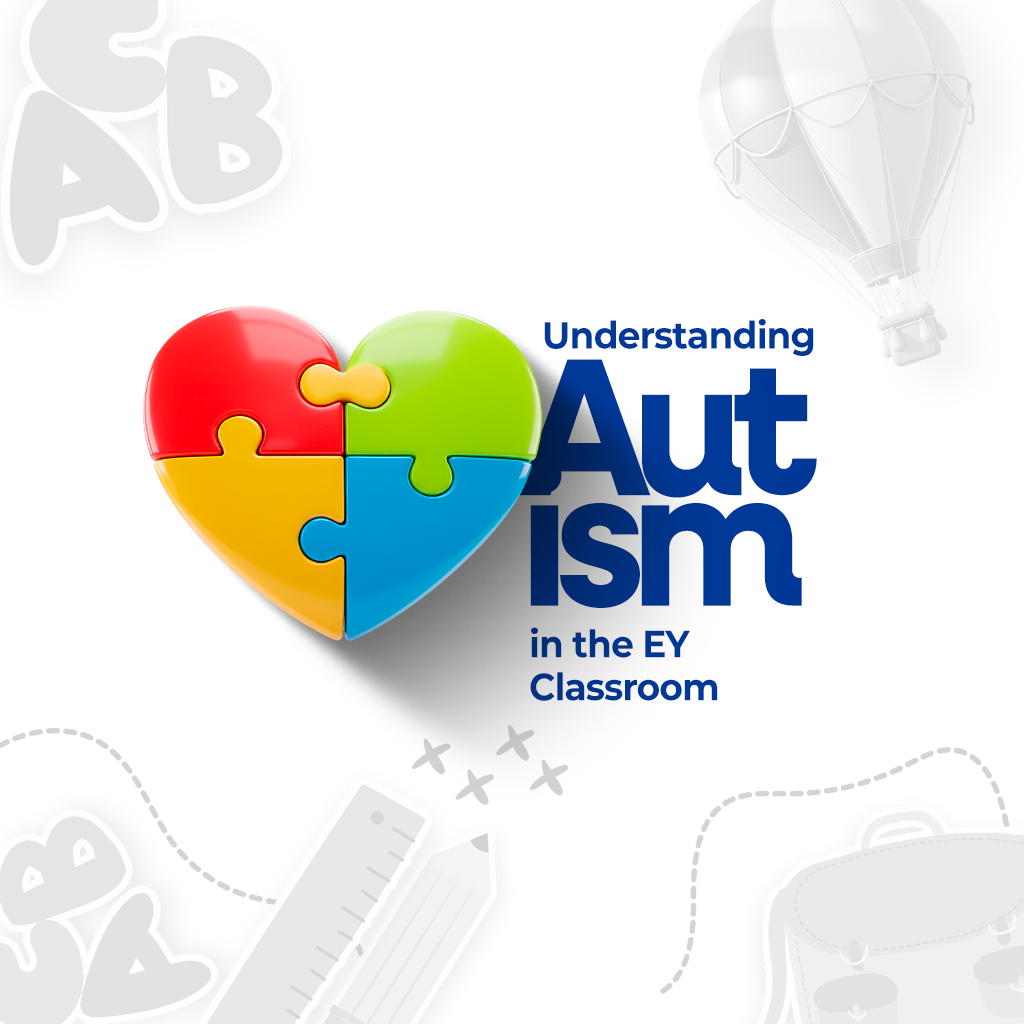
This module introduces early years practitioners to autism as a neurodevelopmental condition, focusing on communication, social interaction, sensory differences, and behaviour. It helps teachers understand how autism may present in the classroom and explore practical ways to create engaging and supportive learning environments.
The course aligns with ADEK, SPEA, the Ministry of Education (MoE), and KHDA expectations, ensuring that educators in UAE nurseries and schools meet recognised standards for inclusive practice.
This module is suitable for teachers, teaching assistants, early years practitioners, nursery staff, support workers, and anyone involved in supporting autistic children in Early Years classrooms. Practitioners will immediately learn how to foster environments that help autistic children thrive while supporting equality and inclusion for all learners.
Builds autism awareness for Early Years teachers
Explores autism as a neurodevelopmental condition
Supports communication support strategies in the classroom
Develops understanding of sensory differences in autistic children
Introduces inclusive strategies for EY settings
Highlights the use of visual supports and routines
Supports behaviour regulation through structured practice
Encourages inclusive and supportive learning environments
Aligns with social and behavioural management approaches
4.7/5 Trusted by 178 Learners
Earn a Certificate
What you'll learn
Develop a confident understanding of autism and the autism spectrum within Early Years classroom settings.
Recognise common strengths and challenges in autistic children and respond with empathy and informed practice.
Understand how autism can affect communication, play, behaviour, and emotional regulation.
Use inclusive classroom strategies that support engagement, wellbeing, and positive learning experiences.
Apply structured routines, visual supports, and predictable transitions to reduce anxiety and support learning.
Respond effectively to sensory needs and behaviour regulation challenges in the EY classroom.
Create calm, inclusive, and supportive learning environments that promote positive outcomes for autistic children.
Earn a certificate
Complete the course to earn your certificate, available for viewing and download
Generation Z Education provides professional development and academic training programs designed for educators, teaching assistants, early childhood practitioners, and individuals entering the education field. The courses focus on practical skills, classroom strategies, and instructional competence aligned with UAE educational standards.
Yes. Many of our programs follow UAE requirements and align with key regulatory bodies, including KHDA, ADEK, and SPEA. This ensures learners gain qualifications that support industry expectations and career growth within UAE schools and learning centers.
Our courses are open to aspiring teachers, current educators seeking professional development, school staff, parents interested in academic support training, and individuals moving into the education sector. Each course includes its entry requirements to help learners choose the right starting point.
Not necessarily. Several courses are designed for beginners and provide foundational knowledge that supports new educators. For advanced modules, some background in teaching or classroom practice may be required.
Generation Z Education offers flexible learning options. Depending on the course, learners may choose online training, in-person sessions, or hybrid formats. Each program page specifies the delivery mode.
Yes. Most programs include structured assessments, practical teaching tasks, and real-world classroom activities to ensure learners apply theoretical knowledge and build confidence in instructional delivery.
Course duration varies depending on the module and qualification level. Some sessions last a few days, while full certification programs run for several weeks. All course pages provide detailed timelines.
Yes. All participants who complete the required assessments receive a certificate of completion. For courses aligned with UAE standards, the certificates reflect compliance with the relevant training requirements.
Registration is simple. Visit the course page on the Generation Z Education website, fill out the inquiry form, or contact the admissions team directly. A representative will guide you through the enrollment process.
Yes. Generation Z Education has strong connections with schools, nurseries, and learning centers across the UAE. Learners who complete training may receive guidance, referrals, and support with employment opportunities.
Absolutely. Many schools collaborate with us to offer customized professional development sessions. Training can be tailored to curriculum needs, classroom challenges, or institutional goals.
Payment options vary by program. Our team can discuss installment plans or flexible fee arrangements for eligible courses to support learners managing financial constraints.
Join 500+
CERTIFIED PROFESSIONALS
upgrade your skills; enrolling now allows you to secure your professional certificate.