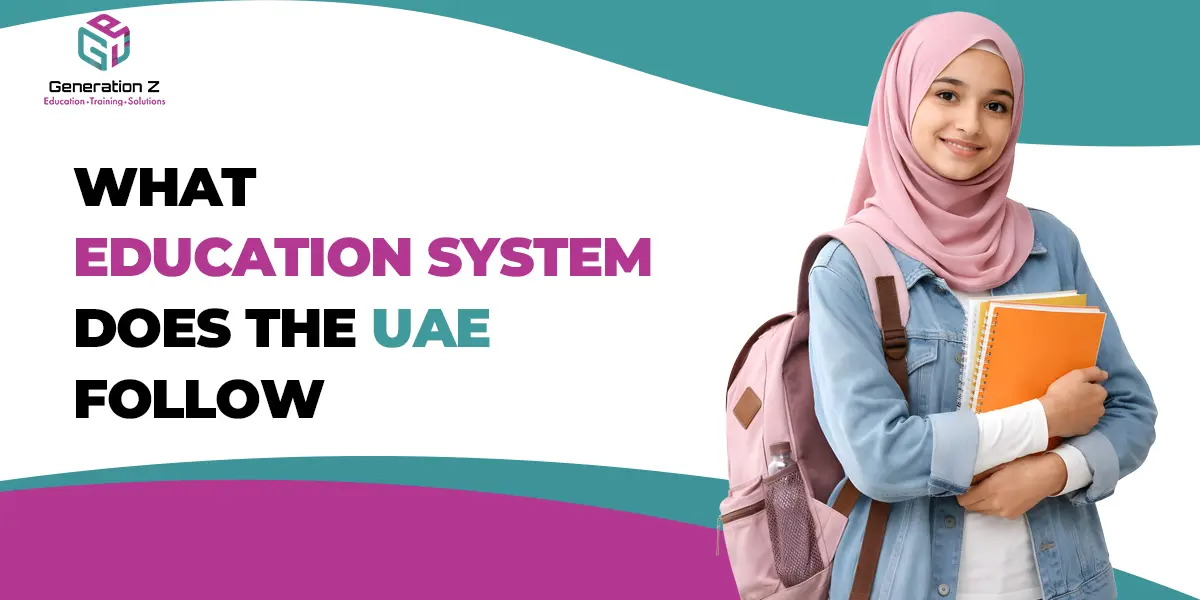
The UAE does not follow one single education system. That surprises many families at first. Schools across the country offer British, American, IB, Indian, and several other international curriculums under a wider UAE education framework. According to KHDA reports, private schools educate most students in Dubai alone, which explains why parents often spend weeks comparing learning styles, fees, and long-term outcomes before making a decision. Somewhere during that process, conversations with experienced educational consultants usually become part of the journey too.
The UAE Never Built Education Around One Single Pathway
That becomes obvious almost immediately. A child can study the CBSE curriculum in Dubai, move to an IB school in Abu Dhabi two years later, then graduate under A-Levels before applying to universities in Europe or Canada. That level of movement shapes how schools operate here. Flexibility is part of the structure itself.
The public education system follows the UAE Ministry of Education framework, with Arabic, Islamic studies, science, mathematics, and social studies forming the core. English has also become deeply integrated into learning across many schools, especially in higher grades. Private schools, though, tell the bigger story of UAE education today.
In cities like Dubai and Sharjah, private education serves the majority of students. KHDA reports have repeatedly shown that over 90 percent of students in Dubai attend private schools. That changes the conversation completely because parents are not choosing between “good” and “bad” schools anymore. They are choosing between educational philosophies, learning environments, cultural exposure, future university routes, and honestly sometimes traffic distance too.
Some parents care more about discipline. Others want creativity. Some still prefer exam-heavy structures because they trust measurable outcomes more than open-ended learning models. You see all of it here.
Different Curriculums Shape Students Differently Over Time
The interesting thing is how early those differences start showing.
British Curriculum Schools Often Feel Structured From Day One
There is usually a visible routine to British schools in the UAE. Assessments come steadily. Expectations become clear early. Many parents from South Asian and Middle Eastern backgrounds feel comfortable with that system because it balances academics with extracurricular activities without feeling too loose.
IGCSE and A-Level pathways remain highly respected internationally, especially for university admissions in the UK and Commonwealth countries. Students who enjoy measurable progress often settle into this system naturally. Or at least eventually.
American Curriculum Schools Tend To Leave More Room For Exploration
The American model feels broader in comparison. Students build credits over time. Subjects stay flexible longer. Creative work, projects, presentations, and participation carry more importance than many traditional systems.
Some families love that freedom. Others struggle with it initially because it can feel less rigid but after watching students transition into universities abroad, many parents begin appreciating how confidence and communication skills develop alongside academics.
IB Schools Usually Attract Globally Mobile Families
The IB curriculum has gained serious popularity across the UAE over the last decade. Particularly among expatriate communities who move countries frequently. The framework focuses heavily on inquiry-based learning, research, independent thinking, and global awareness. It can also become intense very quickly. Students often manage large research projects while balancing community work and academic writing simultaneously.
Some thrive in it. Some burn out a little that honesty rarely appears in school brochures.
What Families Often Underestimate While Choosing Schools
Curriculum matters but daily school culture matters more than many people realise at first. A school may rank highly on paper while feeling emotionally exhausting for a child. Another school with modest marketing may quietly produce confident, balanced students year after year. This is where local experience becomes important.
We have seen families arrive in the UAE focused entirely on rankings, only to later shift priorities toward teacher stability, classroom support, inclusion policies, or even how schools communicate with parents during difficult periods. One parent once described it perfectly during a consultation. “We were choosing a curriculum. We should have been choosing an environment.” That stays with you.
Around that stage, many parents begin speaking with Educators Consultancy teams or regional advisors because the school market here moves quickly, and information online often feels incomplete or overly polished. Some organisations, including Generation Z Education, have gradually become part of these conversations because families want guidance from people who understand how UAE schools actually operate beyond marketing presentations.
This happens in a practical sense of helping parents narrow overwhelming options into something realistic.
UAE Education Is Becoming More Future-Focused Than Before
This shift has been visible over the last few years. The UAE government has invested heavily in AI learning initiatives, coding programs, sustainability education, entrepreneurship, and digital transformation within schools. Programs linked to innovation and technology are becoming less optional and more integrated into regular classroom experiences.
The country’s National Strategy for Higher Education 2030 also pushes institutions toward research, employability, and advanced skill development. Schools increasingly talk about adaptability because industries themselves keep changing. Sometimes faster than schools can keep up and honestly, students notice that gap before adults do.
Arabic And Cultural Education Still Remain Central
Even with international curriculums dominating private education, Arabic language learning and UAE cultural studies continue holding importance across schools. That balance matters politically, socially, and culturally.
The UAE has managed something relatively unusual. It opened its education sector globally without fully disconnecting from national identity. You still see strong emphasis on heritage, values, and regional understanding alongside international academics consistently enough to shape the overall system.
Why School Decisions In The UAE Rarely Feel Temporary?
Families often arrive thinking they will stay for two or three years. Then careers shift, businesses grow, children settle in, friendships form, and suddenly education decisions become long-term that changes how parents evaluate schools.
People begin thinking beyond curriculum names and start paying attention to emotional stability, future transitions, university preparation, and how children actually behave after school each day. Those quieter observations usually tell the real story. Because there are so many choices available, parents frequently search for terms like educational consultants near me hoping someone can filter the noise into something manageable.
The truth is, the UAE education system does not follow one single model. It follows many. Carefully layered together inside one country that built its schools around an international population with very different expectations. For some families, that variety feels confusing at first. For others, it becomes the exact reason they stay.