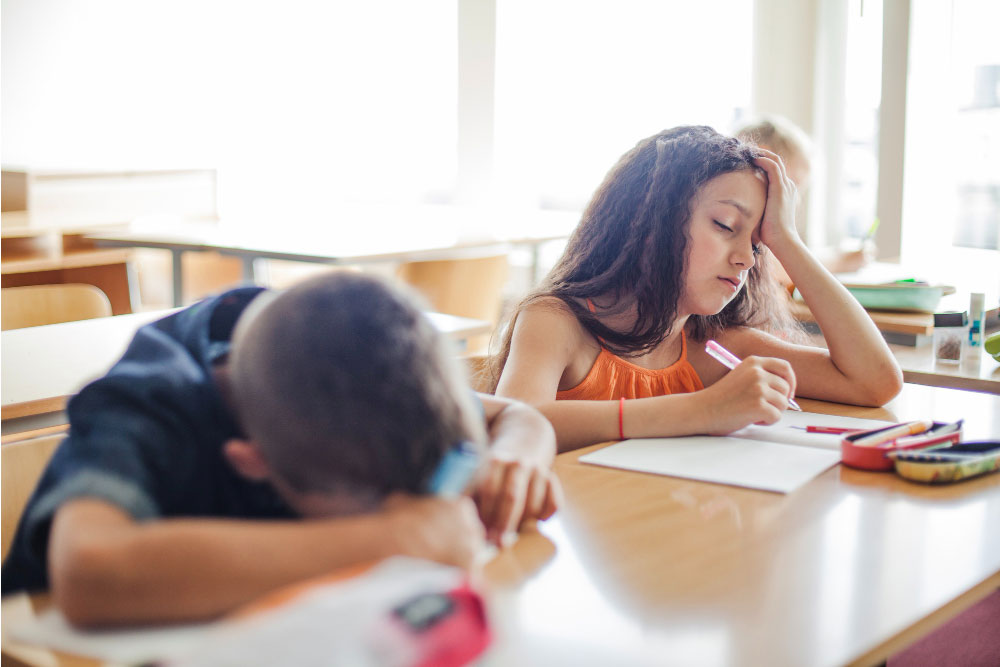
Every morning classrooms face a quiet reality that standard lesson plans rarely cover. A child sits in the corner overwhelmed by a noisy transition while another struggles to share a simple set of markers. We see these moments daily and they remind us that academic success is completely tied to how a child manages their inner world. It is incredibly exhausting to navigate these emotional waves without the right tools which is why having the foundation of a behavioural management course can make such a difference. Teachers are finding that focusing on social emotional competence is no longer an optional add on. It is the actual foundation that keeps a classroom from spinning into daily chaos.
Building Social Emotional Competence Requires More Than Standard Lesson Plans
The Reality of Emotional Regulation in Busy Classrooms
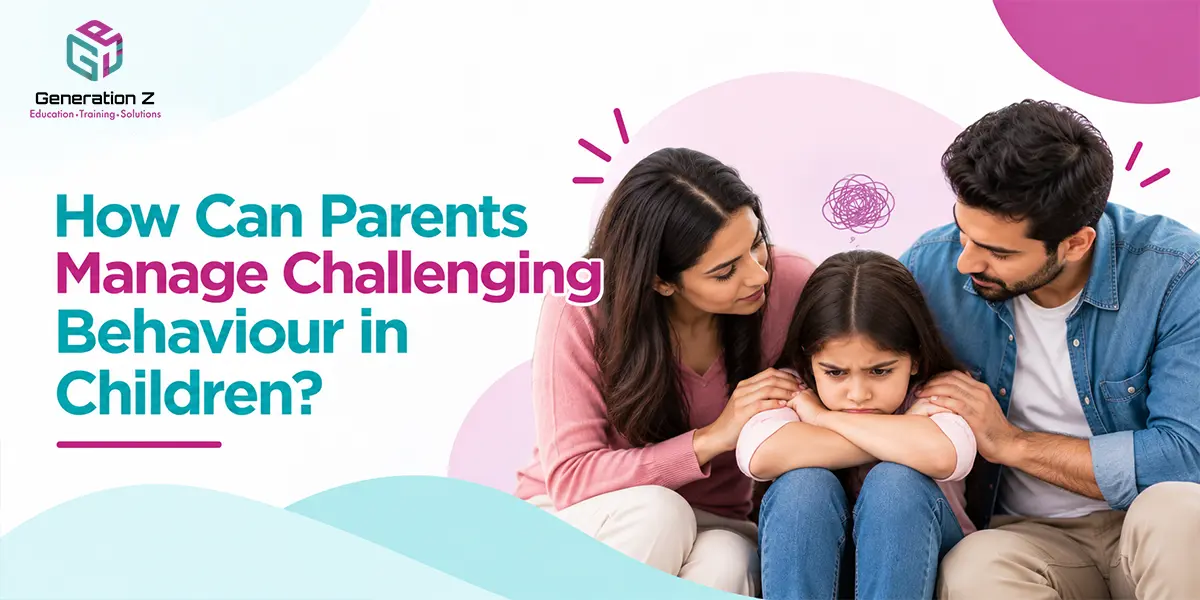
When a toddler or young child has a meltdown the standard response is often to restore quiet immediately. We have all tried it and honestly it rarely works long term. Children do not develop emotional resilience by being told to calm down. They learn it when an adult stays calm next to them. This co-regulation is a heavy lifting process for teachers. It requires recognizing that a sudden outburst is a bid for connection or a sign of sensory overload rather than simple defiance.
According to a comprehensive 2023 report by the Collaborative for Academic Social and Emotional Learning (CASEL) schools implementing systematic emotional support saw an 11 percentile point gain in academic achievement. The numbers simply reflect what we experience on the carpet every day. When a child feels safe their brain can finally process information. We spend so much time planning math grids yet the real breakthroughs happen when we help a child label their frustration before they throw a block.
Creating Environmentally Predictable Spaces for Vulnerable Learners
Predictability reduces anxiety which is something we notice every Monday morning. Children thrive when they know exactly what comes next. Visual schedules and clear transitions do more than keep the day moving. They give children a sense of control over their surroundings.
- Designated Quiet Corners: A space with soft textures where a child can retreat voluntarily not as a punishment.
- Visual Feeling Charts: Simple tools that allow non verbal or overwhelmed children to point to their current emotional state.
- Consistent Peer Routines: Standardized ways to greet friends or pass out materials reducing social friction.
Strategic Frameworks That Change Classroom Dynamics
Moving Away From Reactive Discipline Methods
The old way of managing classrooms relied heavily on sticker charts and isolation. We have seen these systems fail because they only address the surface action. If a child lacks the skill to express frustration verbally, taking away a recess token does not teach them the correct vocabulary. It causes resentment. True progress happens when we treat emotional gaps the same way we treat reading gaps. We do not punish a child for mispronouncing a word; we teach them how to decode it.
During our recent workshops at Generation Z Education and Training Solutions several UAE educators noted that shifting from compliance to connection dramatically reduced recurring behavioral disruptions. Our teams often discuss how traditional methods isolate struggling children instead of integrating them. When we alter our approach to view a disruption as a communication breakdown the entire atmosphere changes. Teachers who utilize our professional training frameworks tend to report fewer daily confrontations because they understand the underlying stress triggers affecting early childhood development.
Teaching Specific Language for Peer Conflict Resolution
Kids do not instinctively know how to negotiate a shared toy. They need exact phrases. We often hear teachers say "use your words " but children frequently do not have those words available when their adrenaline is high. Giving them specific scripts during calm moments helps them access that language during a conflict. Phrases like "I am still using this you can have it next" need to be rehearsed.
The Role of Teacher Well Being in Daily Co Regulation
You cannot pour from an empty cup which is a cliché because it is completely true. A teacher who is running on pure exhaustion cannot effectively co regulate a dysregulated child. Our own stress levels mirror directly into the room. When an educator feels supported by their school administration their capacity to handle classroom stress increases. This systemic support is what prevents burnout and keeps experienced teachers in the profession.
Strengthening Teacher Practices for Long Term Development
Integrating Emotional Literacy Into Daily Academic Routines
We do not need to carve out a separate hour for emotional growth. It can happen during read aloud or transition times. Asking how a character in a story might feel encourages empathy naturally. These brief organic conversations build a rich emotional vocabulary over time.
A 2024 study published in the Journal of Early Childhood Education highlighted that consistent brief emotional check ins during the morning routine decreased peer conflicts by nearly 30 percent over a single school year. This aligns with what we notice in our consulting work. It is the micro moments rather than massive curriculum overhauls that shift classroom culture.
Investing time in a structured behaviour management course provides teachers with these exact micro strategies. It gives educators a practical toolkit to handle high stress situations without escalating the tension. Having a shared framework across a teaching team ensures that children experience the same expectations and emotional safety net in every single room they enter.
Partnering with Families for Consistent Home Strategies
A child lives across two distinct worlds every single day. If the strategies used at school do not match the expectations at home confusion sets in. Sharing simple emotional vocabulary with parents creates a bridge. When a parent uses the same phrasing to describe frustration that a teacher uses the child internalizes the concept twice as fast. It turns a classroom strategy into a lifelong habit.
Reflective Supervision and Peer Observation Models
Teachers learn best from watching other teachers. Sitting in a colleague's room for twenty minutes can reveal minor adjustments in tone or body language that completely change how a child responds. We need more spaces for teachers to talk honestly about their struggles without fear of a poor performance review. Honest reflection is the only way professional practice actually evolves.
Conclusion
Developing deep social emotional competence within a classroom is a slow messy process that relies heavily on patience and consistent routines. We see how challenging this work is every single day which is why we remain committed to providing practical real world strategies for educators through our targeted training programs. When teachers are equipped with a structured child behaviour management course they gain the confidence to handle unpredictable disruptions with empathy. Ultimately supporting our young learners is about creating sustainable school environments where both educators and children can navigate emotional challenges together successfully.