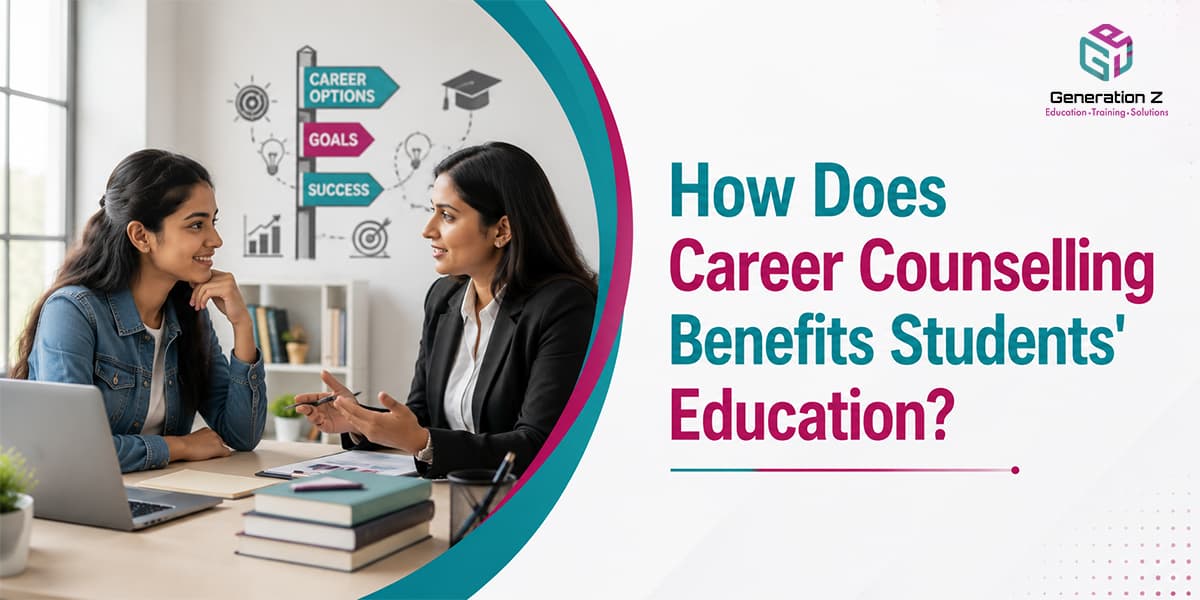
The transition from secondary school into higher education usually happens during a phase of life where most seventeen year olds are still figuring out basic time management. From what we see every single day teenagers are asked to commit to four year degree paths before they even fully understand the job market. That pressure builds up quickly. A lot of families default to traditional fields because those options feel safe but safety does not equal alignment. When families come through our doors for Education Consultancy they are usually burnt out from late night arguments about university choices. It is why structured guidance matters so early on.
Why Standard Academic Advice Falls Short For Modern Degree Choices
School guidance offices do their best, but sheer student numbers often overwhelm them. When one advisor handles hundreds of teens, they reduce the advice to basic grade thresholds and popular major lists. This misses the bigger picture of where global industries are actually moving.
| Feature | Traditional School Advice | Strategic Career Counselling |
|---|---|---|
| Student to Advisor Ratio | High often 1:300 or more | Dedicated one on one guidance |
| Primary Focus | Grade cut offs and course selection | Aptitude interests skills and industry demand |
| Career Planning | Short term admission decisions | Structured 5 to 10 year career roadmap |
| Decision Making | Based primarily on academic scores | Based on assessments goals and career opportunities |
| Industry Alignment | Limited exposure to job market trends | Aligned with evolving industries and future careers |
| Student Support | Generalised guidance | Personalised mentoring throughout the journey |
| Outcome | Admission focused decisions | Informed career choices with long term growth potential |
Uncovering Personal Strengths Beyond Test Scores
Standard exams measure memory and test taking speed yet they say very little about how a young adult solves unexpected problems or works in a team. Good assessment tools dig into cognitive preferences and natural interests.
Mapping Degree Paths To Real Workforce Shifts in Career Counselling
The job market moves faster than university curricula can update. Picking a major solely based on today's popular job titles often leaves graduates holding degrees for industries that are already changing. Real insight connects academic choices with projected economic shifts helping students focus on adaptable skills rather than static job labels.
Reducing The Costly Cycle Of Changing Majors Mid Way
Switching majors after sophomore year drains both financial resources and student morale. According to global higher education reports roughly 30% of undergraduate students change their major at least once within three years of enrollment. Getting the direction right from the start saves years of delayed graduation dates and extra tuition payments.
| Stage | Unguided Path | Guided Strategy |
|---|---|---|
| Starting Point | High School Graduation | High School Graduation |
| Decision | No structured career planning | Strategic career and academic guidance |
| Next Step | Frequent major changes | Targeted major selection |
| Progress | Delayed entry into the workforce | High engagement and on time graduation |
| Outcome | colspan: Leads to Sustainable Career Entry | colspan: Leads to Sustainable Career Entry |
How Targeted Guidance Changes A Student's Academic Path
When teens understand the why behind their studies their day to day engagement changes. Homework stops feeling like an endless checklist and starts looking like preparation for something they actually chose.
Building Confidence During University Selection in Career Counselling
The sheer volume of global university rankings creates decision fatigue. Students often apply to brand name institutions that are bad fits for their specific learning styles. Clear evaluation criteria narrow down hundreds of options into a targeted list of universities where the student can actually thrive.
Aligning Parental Expectations With Student Ambition
Parents naturally want security while students often push for passion projects. These two views frequently clash at the dinner table. Having an impartial third party step into the conversation shifts the dynamic from an emotional standoff into an objective discussion about viable real world pathways.
What Sets A Specialized Education Consultancy Apart in Career Counselling
We have spent years watching students wrestle with application portals visa requirements and conflicting program reviews. At Generation Z Education our approach grew out of watching bright applicants get rejected simply because their portfolios lacked a coherent story. We step in to turn scattered achievements into a clear compelling narrative for admissions boards.
| Stage | Details |
|---|---|
| Student Input | Student Strengths & Goals |
| Generation Z Education Strategy | • Profile & Portfolio Building• Targeted University Selection• Long term Industry Mapping |
| Outcome | Strong Admissions Profile |
Developing Holistic Student Profiles Over Quick Fixes
Admissions officers read thousands of personal statements that sound identical. A strong profile is built over months by choosing relevant extracurriculars, research projects and internships that prove genuine interest in a field.
Navigating Regional Entry Rules With Education Consultants In Dubai
Admission criteria vary wildly across international destinations. Working with established Education Consultants in Dubai gives local families direct clarity on regional equivalencies foundation year requirements and specific documentation standards for overseas institutions.
"Working through our university applications felt overwhelming until we had a clear roadmap. Having professional eyes on our child's portfolio made all the difference in securing their top choice."
— Parent of a 2025 Undergraduate Applicant
Long Term Planning Beyond The Initial Acceptance Letter
Getting accepted is only step one. Then comes strategic advisory that focuses on what happens after arrival. From securing campus internships to building network connections early in undergraduate studies.
How Early Career Counselling Benefits Students' Education Over Time
Early intervention prevents panic during senior year. When students start exploring options early in high school they have room to test different subjects without high stakes.
Timeline of Early Engagement:
[ 9/10 Grade ] ──► Aptitude discovery & skill testing
[ 11 Grade ] ──► Subject selection & profile strengthening
[ 12 Grade ] ──► Targeted applications & interview preparation
Clarifying Subject Choices Before Senior Secondary Years
The courses a student picks in Grade 10 directly dictate which university programs remain open later. Professional advisors help select high school subjects that keep target degree options fully accessible down the line.
Turning Academic Pressure Into Actionable Goals
Uncertainty creates anxiety. Replacing vague career fears with step by step milestones brings immediate relief to students and parents alike.
Conclusion
Navigating university choices without a strategy often leads to misaligned majors and unnecessary stress for high schoolers. Professional guidance bridges the gap between academic capability and long term industry realities turning overwhelming choices into structured confident decisions. At Generation Z Education our work centers on bringing clarity to this complex process helping students choose educational paths that fit their natural strengths. Investing early in thoughtful planning for education consultancy UAE sets the stage for a focused successful university experience.