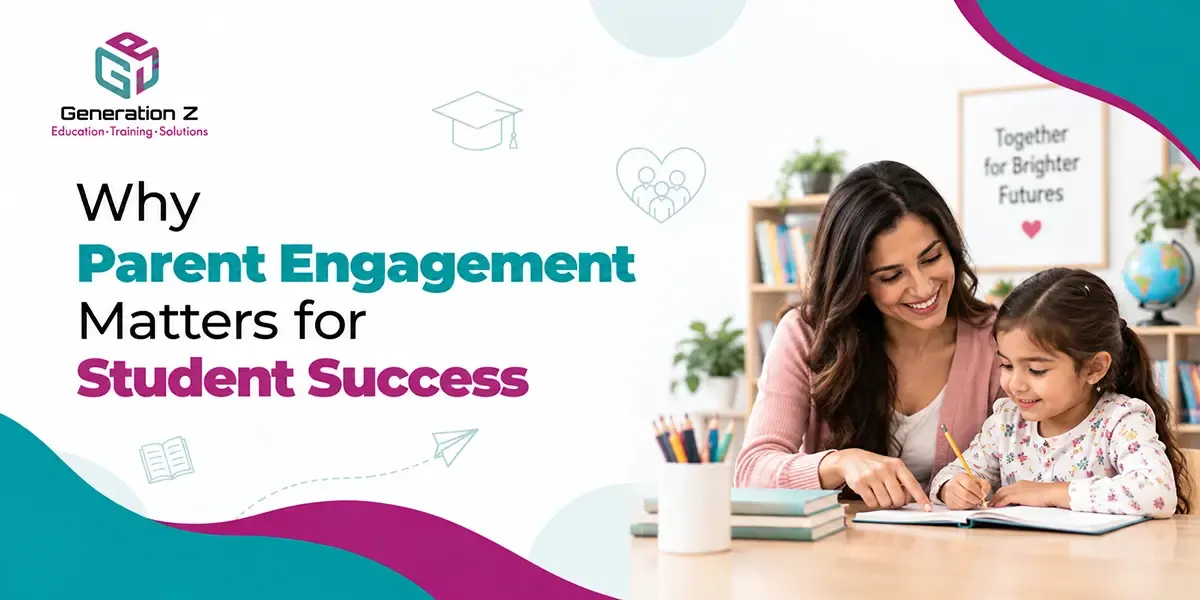
We see it during every academic term. Families show up for scheduled orientation nights to collect printed grade reports to nod politely at teachers and head home feeling fulfilled. Yet weeks later the exact same friction returns around homework routines of emotional check ins and classroom focus. Signing permission slips feels like participation. Checking school emails feels like involvement too. Real active engagement needs a much deeper shift. Home environments must align with classroom expectations. This alignment helps learners build long term resilience. That resilience lasts far beyond any single report card.
Our team sees this impact constantly. Small adjustments in daily family communication work fast. They transform student confidence faster than extra tutoring. If you have ever wondered why standard school updates fail to fix persistent learning gaps by exploring how deep home involvement operates reveals the missing link.
Sustainable Parent Engagement Practices Strengthen School Networks
Schools thrive when communication functions as a two way corridor. Teachers spend hours observing learning behaviors while families understand emotional nuances at home. Bringing those insights together creates an effective safety net for every student.
In this connected loop a supportive Home Environment built on consistent daily routines that open dialogue and emotional stability feeds directly into effective Communication. When families and educators maintain shared goals under regular updates and proactive early check-ins it creates a seamless transition into the School setting. This alignment reduces anxiety and miscommunication allowing students to maintain better classroom focus and ultimately achieve sustained academic growth.
Structured Parental Advisory Workshops Help Bridge Communication Gaps
When schools work through complex curriculum updates or behavioral guidelines standard newsletters fall short. At Generation Z Education we frequently run structured sessions designed to align home environments with institutional goals. During our Parental Advisory Workshops we observe how quickly anxiety drops once families gain practical strategies rather than generic advice.
Seeing school leaders and families sit together to break down developmental stages builds genuine trust. The goal is never to tell parents how to raise their children but rather to give everyone a shared vocabulary.
Collaborative Environments Reduce Classroom Disruption
When home and school expectations lack clarity; students often express that confusion through classroom disruptions. However when parents understand the core reasons behind school rules they reinforce those same standards naturally at home. This shared approach creates a consistent environment helping students feel secure and focused on learning.
Modern Frameworks For Parental Advisory Workshop Services
Educational needs evolve rapidly as digital media and modern learning tools alter study habits. Traditional methods of oversight no longer match the reality children face today.
Professional Parenting Workshops Address Evolving Student Needs
Modern families face unique hurdles around screen time management with social development and self directed study habits. Attending specialized Parenting Workshops offers structured guidance tailored to these contemporary pressures.
- Digital Boundaries: Setting ground rules for screen usage during study hours.
- Emotional Intelligence: Recognizing signs of academic burn out early.
- Executive Functioning: Teaching organizational methods for long term projects.
Active Parent Engagement Builds Long Term Academic Success
Attendance at school events is fine yet active daily connection carries real weight. According to decades of educational research from institutions like the National Center for Family and Community Connections with Schools students with involved parents earn higher grades that adapt better socially and complete higher education at significantly elevated rates. The connection remains clear regardless of household income or ethnic background. When a child sees adults around them treating learning as a shared priority their internal motivation changes.
Daily Conversations About School Foster Higher Parent Engagement
Asking generic questions after school rarely yields useful answers. "How was your day?" usually gets a single word response. We observe much better outcomes when families focus on specific moments. What made you laugh during lunch? What was hard during science class? These targeted questions shift the narrative from routine reporting to meaningful dialogue.
However over time this practice builds self awareness in young learners. They start recognizing that learning involves struggle with progress and continuous trial.
Homework Assistance Versus Strategic Parent Engagement Support
Supporting homework requires a careful balance so children can own their learning process. Parents frequently step in to fix mistakes too quickly because watching a child struggle feels uncomfortable. Yet research demonstrates that true problem solving resilience develops when kids navigate obstacles on their own.
- Guide without supplying answers: Ask children to read the instructions out loud to process the steps themselves.
- Validate frustration: Reassure them that feeling confused is a natural necessary part of the learning journey.
- Establish consistent workspaces: Designate quiet study zones free from screens and unnecessary digital interruptions.
| Traditional Involvement | Deep Active Engagement |
|---|---|
| Attending compulsory annual meetings | Maintaining open weekly dialogue with educators |
| Checking grades after exams finish | Tracking learning habits and emotional wellbeing |
| Viewing school as a separate service | Viewing education as a shared partnership |
Conclusion
Our team at Generation Z Education continues to refine our approach by analyzing real feedback from hundreds of school cohorts. We notice that schools hosting continuous Parental Advisory Workshop Services see stronger retention rates and higher overall satisfaction from their community. It creates a stable ecosystem where educators and guardians work in tandem.
Hence active family participation is the single most consistent predictor of a student's long term academic growth and emotional well being. Moving away from surface level updates toward meaningful ongoing communication changes how children face challenges both inside and outside the classroom.
By establishing clear home routines and maintaining open dialogue with educators and families build a resilient foundation that lasts a lifetime. When schools and communities embrace comprehensive engagement frameworks together with sustained student success becomes a shared achievable reality for everyone.