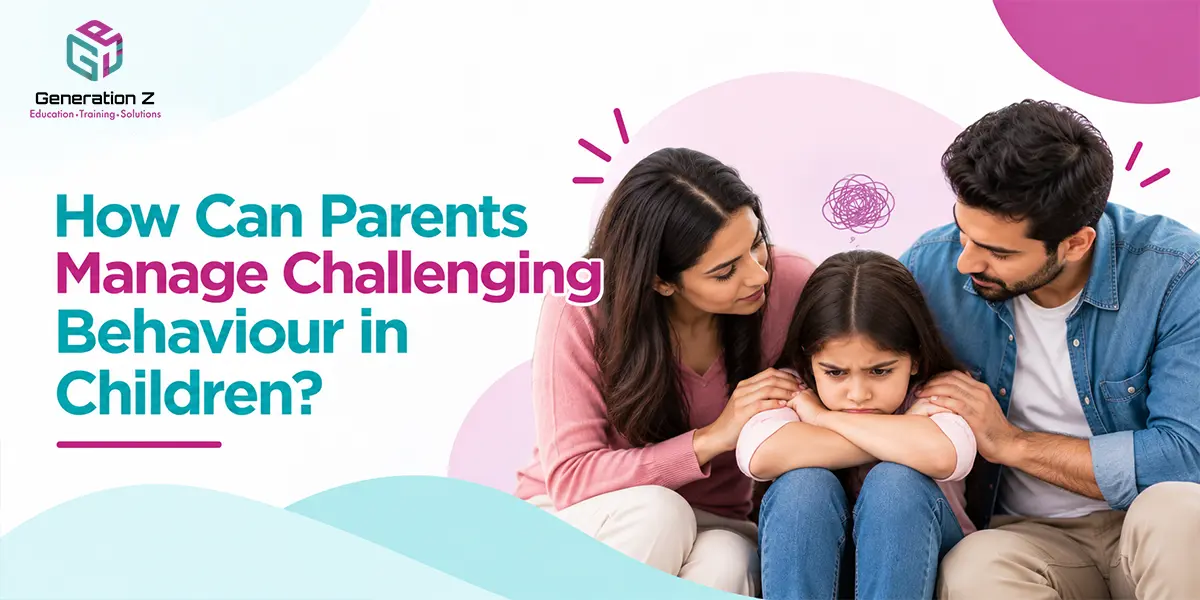
Most evenings crash over tiny stuff like getting a blue cup instead of a red one. Parents end up standing in the kitchen totally wiped out asking themselves why simple things turn into huge screaming matches right before dinner. It feels so draining because society acts like being a good parent is just automatic instinct. Meanwhile modern studies prove that rising daily sensory overload really messes with early growth. Families usually go looking for official behaviour management training only when everyone's patience is totally gone. The real truth is that kid meltdowns are almost never planned disrespect; they're basic stress reactions. Finding out what started the breakdown matters way more than winning the fight in the moment.
Meltdowns Signal Overload Rather Than Calculated Defiance
Rarely do kids wake up with the intention of upsetting the whole household. When doors slam voices start to rise and nervous systems have simply run out of space to process information. The youngster is overwhelmed.
In 2022 according to a National Institute of Mental Health survey. They almost suggested that one in six kids will have emotional regulation issues. Moreover it is serious enough to interfere with everyday activities. Patterns appear when we look past the immediate cacophony. An eight year old's self control can be destroyed by a missed snack a disorganised classroom or two nights in a row of insufficient sleep. The shouting frequently gets worse when one expects quiet composure from an overstimulated intellect.
Training For Behaviour Management Starts With Spotting Subtle Triggers
Kids rarely announce that fluorescent lights give them a headache. They show their discomfort by throwing shoes across the hallway. While some refuse to put on their jackets.
Observation beats correction here.
Parents who track what happens ten minutes prior to a flare up usually find predictable rhythms. Fatigue peaks around four in the afternoon. Transitions between video games and homework cause massive friction. Hence if we notice the physical signs early like tight fists or sudden silence stepping in with a glass of water or dimming room lights. That will eventually saves everyone forty minutes of tears.
Calmer Responses Prevent Household Arguments From Escalating
Matching an angry child's volume never de escalates a room. Adults naturally raise their voices to reestablish control yet biology works against that reflex.
Children mirror adult nervous systems. When parents take deep breaths and lower their vocal register the physical environment changes. It sounds counterintuitive to speak softer when someone is kicking a baseboard but lowered tones force the child's auditory processing to slow down. De escalation takes discipline from the grown up first.
Predictable Routines Offer Safety to Overwhelmed Minds
Not knowing what happens next makes kids anxious and that stress often looks like bad behavior or anger. When things feel unpredictable kids act out just to test where the actual rules are.
Predictability works like a sturdy handrail on a steep staircase. Knowing bath time always follows cleanup offers a sense of security that no spoken lecture can match. Time and again in families with visual schedules power struggles drop significantly—simply because the chart enforces the routine so parents don't have to keep playing the bad guy.
Courses For Behavioural Management Principles Clarify Daily Expectations
Vague expectations cause instant frustration for both parents and kids. Telling a ten year old to clean their room usually fails because kids don't view a messy room the same way grown ups do.
Breaking big chores into small steps fixes most of the problem. Telling them specifically that dirty clothes go in the laundry bin and books go back on the shelf gives them easy targets to hit. Over at generationz.education we often talk through behavior routines with families who feel completely burned out by daily arguments. Parents who take our customized behavioural management course tell us that basic visual chore charts stopped dinner table fights in less than two weeks. Turning house rules into clear simple routines helps everyone relax.
Consistent Consequences Work Better Than Severe Punishments
Grand declarations made in anger rarely get enforced. Taking away an entire weekend of activities because someone refused to turn off the television usually backfires on the parent by Saturday morning.
Consequences need immediate relevance to mean anything. If milk spills because someone ran inside the kitchen handing over the mop teaches cause and effect without humiliation. Punishments designed to induce guilt usually produce resentment instead of understanding. Keeping outcomes small moreover immediate and predictable removes the emotional drama.
Connection Must Precede Correction During Difficult Moments
Yelling or talking logic to a mad kid while their adrenaline is pumping is totally useless. Brain science shows that when emotions blow up the logical part of their brain turns off—so whatever sensible stuff you say just bounces right off them.
Repairing the relationship matters before addressing the broken vase. Sitting quietly on the floor near an upset child communicates safety. They need reassurance that big feelings will not cause their caregivers to abandon them emotionally. That’s all.
Therefore when breathing slows down and eye contact softens conversations then better choices can finally take root.
Behaviour Management Insights Teach Emotional Validation First
When we brush off a child’s frustration soon after they learn to hide their feelings. Until they completely explode. Telling them "it's not a big deal" makes them feel like their emotions don't matter. Same while validating how a child feels isn't the same as letting them behave badly. You can tell a kid "I get why you're mad" while still holding the line that hitting isn't okay.
Catching kids when they first start getting frustrated can stop big meltdowns before they even start. Teaching them simple words for how they feel gives them a way to vent long before they resort to kicking furniture.
Collaborative Problem Solving Builds Lifelong Self Regulation Skills
Fixing every problem for a child robs them of practical problem solving capabilities. Dictating every solution turns growing up into a series of compliance drills.
Once calmness returns to the room asking the child how to avoid the same issue tomorrow creates accountability. They might suggest setting an audible timer before homework starts. When children participate in establishing solutions they display far more willingness to respect those agreements. Building collaborative habits takes extra patience initially though the long term payoff transforms the family dynamic completely.
Conclusion
Parenting through tough phases tests your patience daily. It's totally exhausting mostly because progress with kids is never a smooth straight line. You might enjoy a few weeks of peace and calm only to be caught off guard when sudden meltdowns return over simple things like morning routines getting dressed or finishing homework.
When your daily instincts run out and you are not sure what to do next. Then always take a simple behaviour management course can give you a helpful plan to follow. Having clear reliable guidance makes a big difference when you feel overwhelmed.
Remembering that kids take years of practice to manage big feelings helps a lot. They're going to mess up sometimes and that's totally normal. Making small calm changes to your own reactions today builds a happier quieter and stronger home step by step.