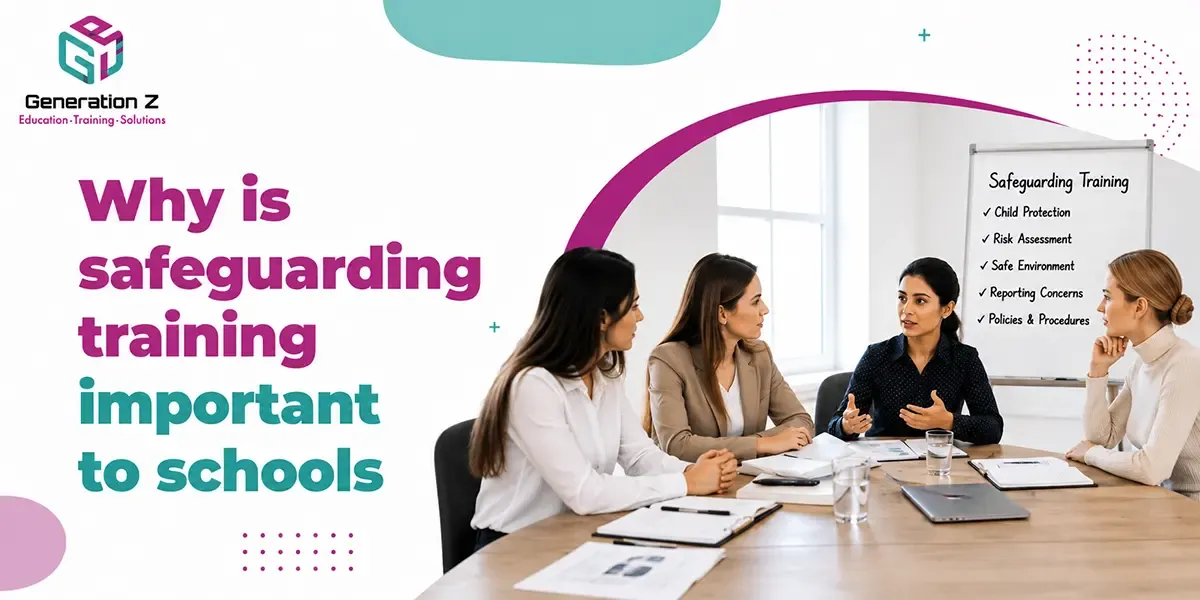
Most school leadership meetings we sit in on eventually drift toward the same uneasy realization: policies look great on paper until an actual Tuesday afternoon testing scenario happens. Staff members scan through regulatory handbooks every August, sign off on the compliance sheets and then real life hits. Someone notices a subtle change in a student's demeanor during lunch or picks up on a weird pattern of absences and suddenly the theory feels miles away from practice. That is precisely why safeguarding training needs to be an ongoing active conversation rather than a static annual checklist item for modern educational institutions.
Why Is Safeguarding Training Important To Schools Every Single Term
Regulations evolve but human behavior shifts even faster. When we review how schools handle staff readiness across the region the biggest gap is rarely a lack of caring; it is a lack of recent context specific preparation. A single session at the start of the academic year leaves teams relying on vague memory when complex child protection situations surface months later. What seemed clear in late August becomes blurry by mid term when workloads stack up and daily routines take over. Continuous engagement ensures that every adult on campus maintains the heightened awareness required to identify subtle shifts in a child's environment.
Recognizing Subtle Behavioral Indicators Requires Continuous Refinement
Physical signs of harm are relatively straightforward to spot yet the vast majority of early warning indicators are emotional, social or structural. A child withdrawing from group activities sudden academic drops, hyper vigilance in shared spaces or unusual anxiety around specific pick up times often get misread as simple behavioral phases or transient childhood attitudes. Without frequent refresher discussions educators naturally default to standard discipline or academic interventions instead of looking deeper at potential root causes. Regular case studies allow teachers to recognize these faint signals before a crisis unfolds building a cumulative picture rather than dismissing individual occurrences as minor anomalies.
Creating A Unified Reporting Culture Across All Departments
Safeguarding fails when critical information lives in isolated silos. The cafeteria staff facility teams, bus drivers and assistant teachers often observe student interactions that primary educators never see. When everyone understands the exact steps for documenting mild concerns patterns emerge much faster across the entire institution. Our team at Generation Z Education frequently works alongside leadership groups to restructure these internal reporting channels ensuring that small observational notes actually reach the designated safeguarding lead before isolated incidents turn into systemic oversights. A truly safe school environment is built when operational staff feel just as responsible and empowered to log a concern as the head of school.
Keeping Pace With Evolving Digital Risks And Online Environments
The digital landscape changes faster than institutional policies can keep up with. Exposure to inappropriate content, peer cyberbullying, dangerous social media challenges and unvetted online interactions happen outside traditional classroom boundaries yet spill directly into daily school life. Staff members need regular updates on emerging platform trends and digital safety protocols so they can spot online risks before students face significant exposure or distress. Modern protection is no longer just about monitoring physical playgrounds; it is equally about understanding the digital ecosystems where students spend hours every day.
Moving Beyond Simple Compliance To Build Practical Staff Confidence
Signing a register to confirm a policy read does not equal operational readiness. Real confidence comes from working through uncomfortable scenarios debating grey areas and understanding local statutory frameworks thoroughly. Traditional annual reading models lead to high initial recall followed by a rapid drop off in vigilance leaving teams vulnerable when unusual cases arise. On the other hand active scenario based models focus on practical response role specific case discussions and sustained readiness over time. This approach moves the staff mindset from passive administrative obligation to proactive daily duty.
Understanding Regional Standards And Legal Obligations
Operating an educational facility in dynamic markets involves navigating specific regulatory expectations that demand strict compliance and quick reporting. In the UAE statutory frameworks from bodies like the Ministry of Education require precise documentation tailored risk assessments and swift intervention protocols. Schools that invest in an accredited safeguarding training course equip their teams with a clear understanding of both international best practices and local legal mandates eliminating dangerous guesswork during critical moments. Knowing exactly what the law requires reduces panic and ensures that administrative decisions withstand external regulatory scrutiny.
Reducing Hesitation During Initial Concern Escalations
The gap between noticing an issue and reporting it is where vulnerable children fall through. Staff often hesitate because they fear being wrong as well as making wrong assumptions or causing unnecessary distress for families. Scenario led sessions give educators clarity. Their job is simple. Teachers do not investigate or prove harm. They just pass clear, well documented observations to trained leads. These leads evaluate the broader picture correctly. Normalizing early escalation removes personal anxiety. Staff stop worrying about "making the wrong call." Student welfare stays strictly at the center of every professional decision.
Designing Sustainable Protection Frameworks For Educational Settings
Building a safe culture is an iterative process that requires checking in on systems regularly. We have watched school environments completely transform. Leadership simply shifted how they view staff development. Schools must move away from reactive models. Protection belongs in the core operational strategy. Welfare checks should be as routine as lesson planning.
Supporting Staff Well Being During Complex Interventions
Handling child protection matters takes a heavy emotional toll. Educators and staff feel this burden directly. When staff manage painful revelations without support, burnout hits fast. Fatigue sets in quickly. Schools need clear support networks. They need regular supervision and debriefing procedures. This helps staff feel supported instead of isolated. Resilient teachers make far better decisions. They handle sensitive concerns with clarity. They stay objective while offering true compassionate care.
Partnering With Specialized External Practitioners
While internal leads manage day to day operations outside perspectives bring essential objectivity and updated industry insights. Bringing in specialized consultancy services allows leadership teams to audit current setups that uncover hidden blind spots and align their internal processes with global standards. Incorporating specialized options like a certified safeguarding and protecting children course in dubai ensures that every staff member from administrative personnel to senior management operates with the exact same high standard of duty. This external validation reassures parents and governors that the school's protective measures meet rigorous independent standards.
Every school leader eventually realizes that robust protection frameworks are not about ticking off compliance boxes for inspectors. They are about creating an environment where staff feel genuinely prepared to act and students feel consistently secure. Regular training changes school culture. Staff gain real clarity. They protect young people effectively. Theoretical guidelines become real. Practice becomes reliable every day.