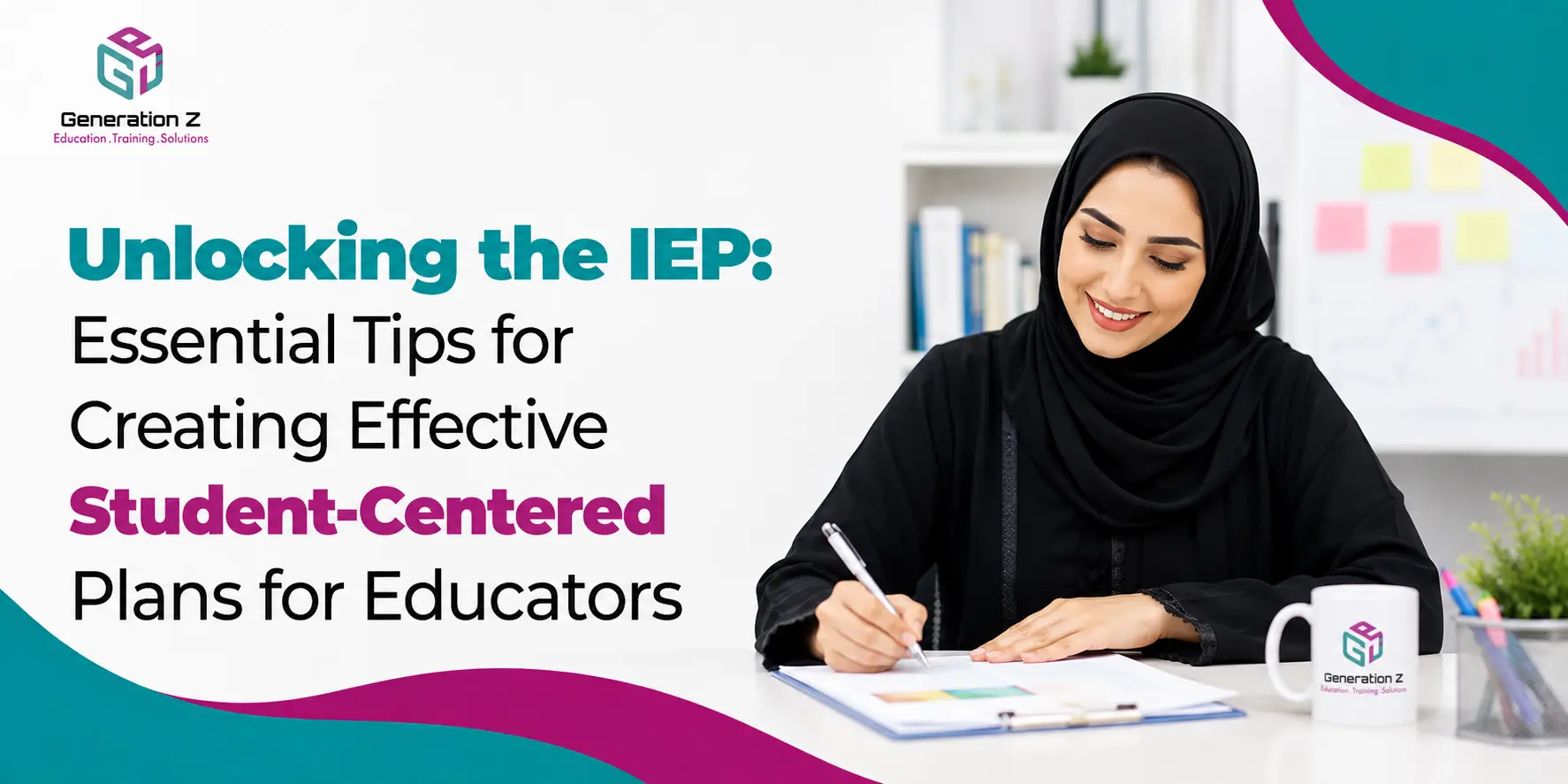
Sitting through endless IEP meetings late on a Tuesday afternoon usually reveals a familiar pattern. Everyone has stacks of paperwork yet the actual child gets lost behind rigid administrative targets. Developing an individualized education plan ought to feel like building a personalized roadmap though it frequently devolves into a stressful compliance exercise. We have watched dedicated teachers burn out while trying to turn static forms into meaningful classroom support. Real progress happens when we strip away the bureaucratic tension and refocus on how a student actually functions during a chaotic school day. Creating a truly effective IEP requires moving past standard templates toward genuine observation.
Why Standard IEP Templates Fail Special Educators
Standardized forms create a false sense of security. They look organized on paper but classrooms are unpredictable environments where rigid goals crumble fast.
The Problem With Copy-Paste Accommodations
It is easy to fall into the trap of using prefabricated accommodation lists. When every student with sensory processing differences gets the exact same recommendation for noise-canceling headphones or extra test time the plan loses its personal edge. We notice this specific mistake repeatedly when reviewing individualized education development plans. Real adaptation means looking at why a child gets overwhelmed during group transitions rather than handing out blanket solutions that sound good in theory.
Misalignment Between Diagnostic Data and Classroom Reality
Clinical reports often sit on a shelf because the language does not translate directly into daily instruction. A psychological evaluation might highlight working memory deficits yet fail to explain how that manifests when a student attempts three-step math instructions. Closing that gap takes active collaboration between therapists and educators.
Goal Statements That Lack Practical Meaning
Measurable goals frequently lack real-world value. Writing that a student will read with eighty percent accuracy sounds professional but it says very little about whether they can navigate a textbook independently.
IEP Development Services and Modern Classroom Systems
When school teams step back to evaluate their planning processes the need for structural shift becomes obvious.
Moving From Paperwork Compliance to Active Progress
Documentation matters for legal reasons certainly. Yet the primary metric of a good plan is whether a substitute teacher can read it and immediately support the child effectively.
How We Approach Collaborative Frameworks
After years of helping schools navigate these exact pain points we realized that structural support makes all the difference. In our work delivering IEP development services we focus heavily on simplifying tracking systems so teachers spend less time filling out spreadsheets and more time actually teaching. Our client schools often report that shifting toward streamlined data collection reduces teacher fatigue while keeping goals grounded in actual student behavior.
Traditional frameworks tend to prioritize annual compliance dates rigid drop-down lists and isolated specialist inputs. Shift that focus toward dynamic ongoing adjustments customized accommodations built on observation and interrelated goals developed through active team dialogue.
Building IEP Goals Around Actual Strengths
Starting with what a student cannot do sets an uncomfortable tone for the entire planning team.
Identifying Unspoken Capabilities
Every student possesses subtle strengths that rarely show up on standardized assessments. This may be a child who struggles with written expression. On the other hand excels at verbal storytelling or spatial reasoning. Building a goal that leverages those strengths creates immediate momentum.
Balancing Academic and Functional Milestones
Academic progress cannot happen in a vacuum. If a student spends half their energy managing sensory overload or peer interactions academic goals need to reflect those functional realities.
When we design targets around how a child naturally navigates their day progress stops feeling like a constant uphill battle.
Developing Sustainable Data Collection Tools
Tracking progress should not require a master's degree in statistics. Simple visual tally sheets or quick daily check-ins yield far more consistent data than complex scoring systems that get abandoned by week three.
Professional Training and Institutional Support for IEP Development
Teachers cannot transform special education practices without proper organizational backing and practical skill development.
Bridging the Gap in Professional Development
Many university preparation programs cover the legal requirements of special education without giving prospective teachers hands-on practice in leading difficult family meetings.
The Role of Specialized Upskilling
We frequently see schools invest thousands in new software. However neglects the human element of training. Educator workshops need to focus on scenario-based learning rather than passive lectures. Programs such as specialized IEP training courses in Dubai demonstrate how localized practical training helps multi-cultural school environments adapt global best practices to their specific student populations. When educators practice writing flexible goals together their confidence in team meetings improves dramatically.
Fostering Authentic Parent Collaboration
Parents know when an IEP meeting is merely going through the motions. Inviting parents to share their home observations before presenting draft goals transforms the dynamic from defensive negotiation into genuine partnership.
Long-Term IEP Coaching Strategies for Sustainable Success
Sustaining high-quality special education support requires continuous reflection and peer mentoring across the entire faculty.
Avoiding Common Burnout Patterns in Special Education
When individual teachers try to overhaul their planning habits alone they run into institutional friction. Systemic change takes time as well as patience and clear leadership.
Utilizing External Expertise Effectively
Bringing in outside perspectives can help break long-standing institutional habits. Working alongside a dedicated IEP consultant Dubai educators often find fresh strategies for resolving complex interdisciplinary disagreements that previously stalled student progress. Having an objective voice helps teams strip away outdated protocols and focus on practical interventions that work in real classrooms.
Continuous Adjustment Based on Student Evolution
An IEP is not a static document to be locked in a cabinet until the annual review. It should evolve as the student grows then adapts and faces new challenges throughout the academic year.
Summary
Fixing special education planning requires moving away from rigid templates and focusing on the human being behind the paperwork. When school teams prioritize clear communication by sensible tracking and practical classroom adaptations with student outcomes improvement naturally. Sustainable progress rests on building support systems that respect both the teacher's time and the child's unique learning profile.
About Generation Z Education
Generationz.education is a licensed educational services provider based in the UAE that delivers strategic solutions across the academic sector. Officially backed by a KHDA permit, the organization offers specialized professional development training courses for educators. Additionally with tailored consulting services for school investors, institutions, teachers and families. By bridging traditional pedagogy with modern learning practices, Generation Z Education aims to elevate classroom quality, assist in school management and support educators in meeting UAE national standards for academic excellence.